
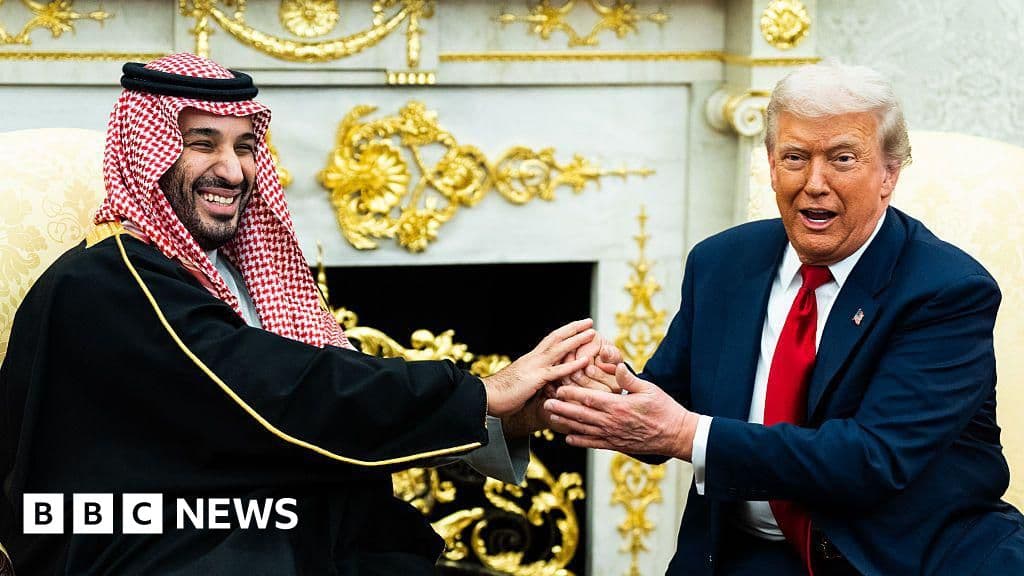
The United States and Saudi Arabia have signed a peaceful nuclear cooperation agreement aimed at developing a civilian nuclear program in the kingdom. The deal, which includes a bilateral safeguards agreement, is intended to provide American companies access to the Saudi energy sector while establishing a legal foundation for a long-term strategic partnership. US Secretary of Energy Chris Wright stated that the agreement adheres to high standards of nuclear safety and nonproliferation.
Although the full text remains private, reports suggest the agreement could potentially allow Saudi Arabia to enrich uranium domestically for power plant fuel. This provision has drawn criticism from experts and lawmakers who warn of potential nuclear proliferation risks, noting that the US has historically avoided assisting other nations with domestic enrichment. US Secretary of State Marco Rubio defended the deal, asserting that it does not pose a proliferation risk.
The agreement now faces a mandatory review by the US Congress, where it is expected to encounter opposition from some Democratic lawmakers. The deal follows years of lobbying by Saudi Arabia and arrives amid heightened regional tensions involving Iran. While previous US administrations required Saudi Arabia to normalize relations with Israel as a condition for such cooperation, reports indicate this demand was not included in the final agreement.
0Likes
0Dislikes